


The occurrence of this serious metabolic pathology is associated with the accumulation of uric acid salts (urates) in the body.The disease cannot be completely cured, but properly administered therapy allows you to avoid worsening and achieve a relatively long period of remission.
There is an indispensable condition to improve the condition of patients after a diet.When diagnosed with gout, as in the case of urolithiasis, diet No.6. It allows you to:
- normalization of purine metabolism;
- reduction in the amount of uric acid and its salts formed in the body;
- change in the urine pH towards alkalization.
Diet rules for gout
Compliance with certain dietary principles can significantly improve the condition of patients.
- You should eat several times a day - from 3 to 5. This helps to prevent a peak-surge in the maximum concentration of purine bases in the blood.
- You should not eat too much food.
- Fasting is also unacceptable.
- If you are overweight, you need to get rid of it, but not through strict diets, but gradually.Acute weight loss may worsen the patient's condition.A loss of 1-2 kg within a month is considered within normal limits.
- With gout, an important condition for the normalization of the condition is to drink a large amount of fluid: in the phase of remission - at least 1.5-2 liters per day, in case of worsening of the disease - from 3 liters.You can drink regular or mineral water, tea, fruit drinks, rosehip decoction, compotes.
- It is only necessary to drink alkaline mineral water for this pathology: it promotes the alkalinity of the blood, due to which urates are eliminated from the body.
Fasting is a forbidden technique
Some patients mistakenly believe that refusing to eat can help cleanse the body of excess purine bases and alleviate the course of the disease.However, in reality, the result is just the opposite: fasting induces a sharp deterioration of the condition.The reason lies in the peculiarities of human physiology.
When the food supply stops, the body starts using its own reserves.In this case, proteins become the most accessible material.In the first days after refusing food, a sharp increase in the level of uric acid in the blood serum is observed.Its excess begins to be deposited in the tissues of the body, in the joint synovial membrane, which provokes an exacerbation of the disease.
Accumulation of urates in the synovium and glomeruli of the renal tubules can lead to the development of acute gouty nephropathy.
What foods should you not eat if you have gout?
Since this disease is the result of a violation of the metabolism of urates, the diet for gout is mainly aimed at reducing the amount of foods high in purine base and substances that stimulate the "release" of urates from the blood serum with subsequent deposition in tissues and joints.It is also necessary to control the consumption of foods that contribute to changes in the body's acid-base balance.Firstly, it is proposed to severely limit the amount of certain meat and fish products or to abandon them completely.The ban applies to:
- broths: meat, fish;
- meat, especially young animals;
- excretory: kidneys, liver, lungs, brain;
- semi-finished meat products;
- smoked meat;
- sauces;
- animal fats;
- from fish products: salted or fried fish, canned food, caviar;
- fatty fish in any form (excluded in the acute phase).
When you follow a diet for gout, you should also avoid:
- legumes of all kinds: green peas, lentils, soybeans, beans, beans;
- fats of animal origin;
- mushroom broths;
- vegetable sauces;
- various spices: pepper, mustard, horseradish;
- cheeses with a salty and spicy taste;
- chocolate, cream cakes, pastries;
- any products containing cocoa in large quantities;
- spinach, sorrel, fresh greens;
- from fruits: figs, grapes, raspberries;
- alcoholic beverages, especially wine and beer;
- strong coffee, tea, cocoa.
When following a diet, you should severely limit the amount of salt consumed.It promotes the accumulation of urates in tissues and joints.
Authorized Products
The best way to eat for gout is a vegetarian diet based on various milk and vegetable soups, fermented milk products, and fruit infusions.
- Nutritious types of meat are recommended for the meat diet: turkey, chicken, rabbit.
- Cooked fish, shrimp, and squid are allowed.
- Chicken and quail eggs are also recommended for gouty arthritis.
- Porridges based on various cereals, cereals, as well as pasta are useful.
- Experts advise patients diagnosed with gout to eat cottage cheese diet and dishes made from it often.
- You can include low-fat and unsalted types of cheese in your diet.
- Whole milk is not prohibited, but should be consumed with caution.
- If you follow a diet for gout, you can eat almost any type of vegetable: potatoes, zucchini, white cabbage, eggplant, carrots.
- The size of some vegetables should be limited.This includes celery, radishes, peppers, asparagus, cauliflower, parsley, and green onions.During the worse period of the disease, it is better to avoid them.
- Fruits are very beneficial for gout.It is recommended to include apples, pears, plums, oranges, apricots, and different types of berries in your daily diet.
- It is beneficial to eat any kind of nuts and seeds.
- For those with a sweet tooth, we can recommend marmalade, marshmallows, non-chocolate candies, and jam.
- The diet for gout also includes bread - both white and black.
- When choosing an oil, vegetable oil is best.Olive and flaxseed are particularly useful.The amount of butter should be fairly limited.
What can you drink?
It is very important to maintain the proper drinking regime for gout.Experts recommend drinking a large amount of fluid, which is necessary to remove uric acid compounds from the body.
While following the diet, you are allowed to drink the following drinks:
- green tea;
- weak black tea with milk or lemon;
- rosehip decoction;
- a chicory-based drink;
- wheat bran decoction;
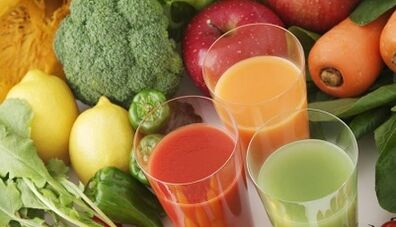
- vegetables, berries, fruit juices;
- fruit drinks, compotes;
- kvass
For patients with gout, fruit drinks made from cranberries or lingonberries are particularly useful.
It is also recommended to eat cucumber juice, which helps to remove more purines from the body.You can drink up to 200 ml of freshly squeezed juice per day.
It is an important point to include alkaline mineral water with a low mineral content in your diet.
Aggravated period
The recommended diet for gout exacerbations has several features.The following rules must be met:
- Completely exclude fatty, fatty, fried meat, fish, meat and fish products from the diet.
- Build a menu based mainly on liquid foods: include liquid cereals, fermented milk products, fruit and vegetable juices, weak tea with lemon, and milk.
- It is very important to ensure that the patient does not starve.
- Give the patient at least 2 liters of fluid per day.
- Be sure to include alkaline mineral water in your diet.
A preliminary diet menu for gout exacerbation is as follows:
- Vegetarian soups:vegetables, potatoes, dairy, with the addition of cereals, cold (beet soup, okroshka), fruit.
- Meat, fish, poultry of lean varietiesallowed three times a week: 150 g meat or 180 g cooked fish.Boiled meat products can be used to prepare various dishes: baked, stewed, cutlet-based products.
- Dairy products and fermented milk:cottage cheese, cottage cheese dishes, low-fat sour cream, cheese, milk (in very limited quantities, with caution).
- Cereals- You can prepare different dishes based on them.
- Eggs- in the acute stage of gout, you are allowed to eat 1 egg per day (you can boil it, cook an omelet).
- Flour products, bread:Baking, rye and wheat bread made from grade 1, 2, and bran flour is allowed.
- Snacks:when gout is aggravated, salads from vegetables, fruits, vinaigrettes, and vegetable caviar are useful.
- Vegetables:It is recommended to include a large number of fresh vegetables or any cooked vegetables in your diet.
- Fruits and berriesYou can eat them fresh, make jelly and compotes from them.Dried fruits are also very useful.
- Sweets:The diet for gout (even in the acute phase) does not exclude the use of creams, marshmallows, jam, honey, and sweets (except chocolate).
- Drinks:tea (weak) with milk, lemon, rosehip decoction, dried fruit, wheat bran.
In the phase where the disease is worsening, the stabilization of the patient's condition is facilitated by fasting days:
- Fruits and vegetables.You are allowed to eat up to 1.5-2 kg of non-prohibited vegetables and fruits.
- Curd and kefir.The daily diet consists of 500 g of low-fat cottage cheese and 0.5 kg of kefir.
- Kefir.You should drink up to 2 liters of kefir per day.
Sample menu for the day
- First breakfast:1 soft-boiled egg + vegetable salad from approved vegetables + apple and carrot pudding + weak tea.
- Second breakfast:decoction of rose hips with honey or jam.
- Lunch:milk soup + potato cutlets + jelly or boiled meat (fish) with vegetable salad.
- Afternoon snack:baked or fresh apples.
- Dinner:cabbage rolls with rice and vegetable filling + baked cheesecakes + tea (with honey).
- Before bed:wheat bran decoction.